Practicum

ETHICS
Ethics should always be called into the question when we make decisions that can impact another living being. Domestic and traditional animals have the benefit of being bred to live alongside humans. Through my research and experiences, I have found that much like non-traditional animals themselves, the ethics of keeping them lie on a spectrum. On this page, it shall be discussed what makes owning a non-traditional pet fundamentally different, and some species-specific cases will be discussed.
What's the big deal?
-
Due to the fact that the traditional domestic pet industry dwarfs the exotic pet industry, there will be fewer resources available to anyone who chooses to keep an exotic animal. This refers both to knowledge in regard to keeping a species and the supplies needed to keep them.
-
Keeping an exotic pet can be drastically more expensive. Exotic vet visits are known to be pricey. In combination with special dietary needs and a habitat that provides proper enrichment, few corners can be cut in terms of spending without omitting important parts of keeping the animal healthy and happy.
-
Keeping an exotic pet can restrict your ability to move in the future. State laws can vary widely in which species are allowed and which require permits, which may require special qualifications. Alternatively, this may require the animal to be rehomed.
-
In the case that an exotic pet must be surrendered and/or rehomed, it can be very difficult to find it a new home, depending on the species. Even more challenging than finding someone willing to take care of the animal is finding someone with the right knowledge to take on that task.
-
Some exotic species are additionally complicated by their increased chances of carrying diseases that can be passed on to humans.
-
As few exotic pets are bred for temperament, they may exhibit hostile behaviors or stress when in the presence of unfamiliar people. This can impact the owner's ability to have guests over without sacrificing the mental wellbeing of the animal.

Macaws
-
Many different species of macaw are kept as pets in the United States. In fact, no state wholly bans macaws as pets. Some of the most commonly kept macaws include Blue and Gold, Scarlet, and Military.
-
The first and most pressing issue with keeping macaws is their lifespan. The above species average a lifespan of about 70 years. Seeing as almost all macaw owners get their macaw when they are adults, it's almost guaranteed that the macaw will outlive them.
-
Some may suggest that the age issue could be fixed by adopting an adult macaw. This is partially true, bur the majority of bird owners desire chicks for a very specific reason. Macaws are incredibly intelligent and socially complex. Bonding with a juvenile macaw is much easier and allows the owner to train in desired behaviors.
-
Many people outside of the birdkeeping space are unaware of the common sentiment that keeping a macaw is not to dissimilar from keeping a toddler. Macaws will throw "tantrums", destroy toys, and often scream for no reason in particular. Only so much of this can be reduced through training, and often goes out the window when separated from the owner.
-
Macaws are highly sensitive to change of any kind. Even moving a macaw's cage to a different room will likely be met with some amount of pushback. When the need to rehome comes due to the death of the owner or failing health, this manifests as extreme distress. A distressed macaw may pull out its own feathers, scream at an earsplitting volume, and shake. The challenges and behaviors associated with displaced macaws makes it very hard for them to be rehomed.
Sugar Gliders
-
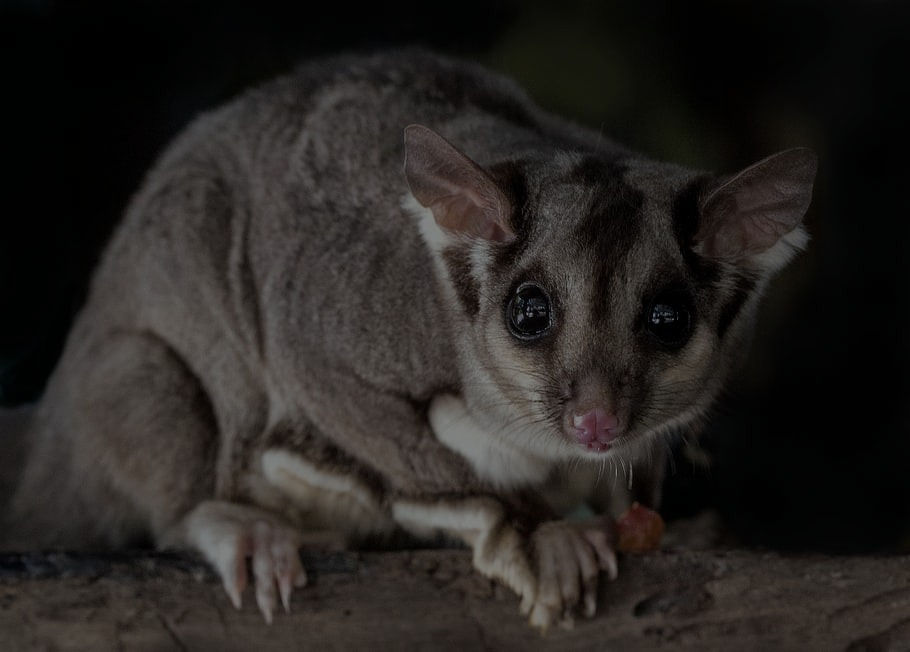
Sugar Gliders are moderately popular in the exotic pet space. These marsupials will grow no longer than an adult's hand and are native to Australia and New Guinea. Their allure to exotic pet owners can be attributed to their large, cute eyes, investigative personalities, and ability to "fly" through the air.
-
A lot of time and patience is required to tame a Sugar Glider, and even more to create the bond that most owners would desire to have. This involves acquiring a very young sugar glider and wearing it in a bonding pouch for the majority of the day for at least one month.
-
Like many other cute and unusual pets, Sugar Gliders have become popular on social media platforms. As these platforms often exist to make life look as idealist as possible, many will misunderstand or underestimate the dedication needed to care for a sugar glider.
-
To those willing to put in the large amounts of work to create a proper environment for Sugar Gliders, they can make very rewarding pets. As they are social group animals, a "pack" relationship will be developed with the owner. Still, without a proper bond, most Sugar Gliders will have a typical prey response towards anyone who tries to interact with them.
-
Some breeders have been the subject of concern in recent years. Many malls have banned their sale due to high mortality rates and misleading advertising.
- While not as clearly problematic as macaw ownership, the highly specialized needs of Sugar Gliders create a situation where their owners can easily make mistakes in their care. Anyone seeking to own a Sugar Glider should engage in extensive research first.
Monkeys
-
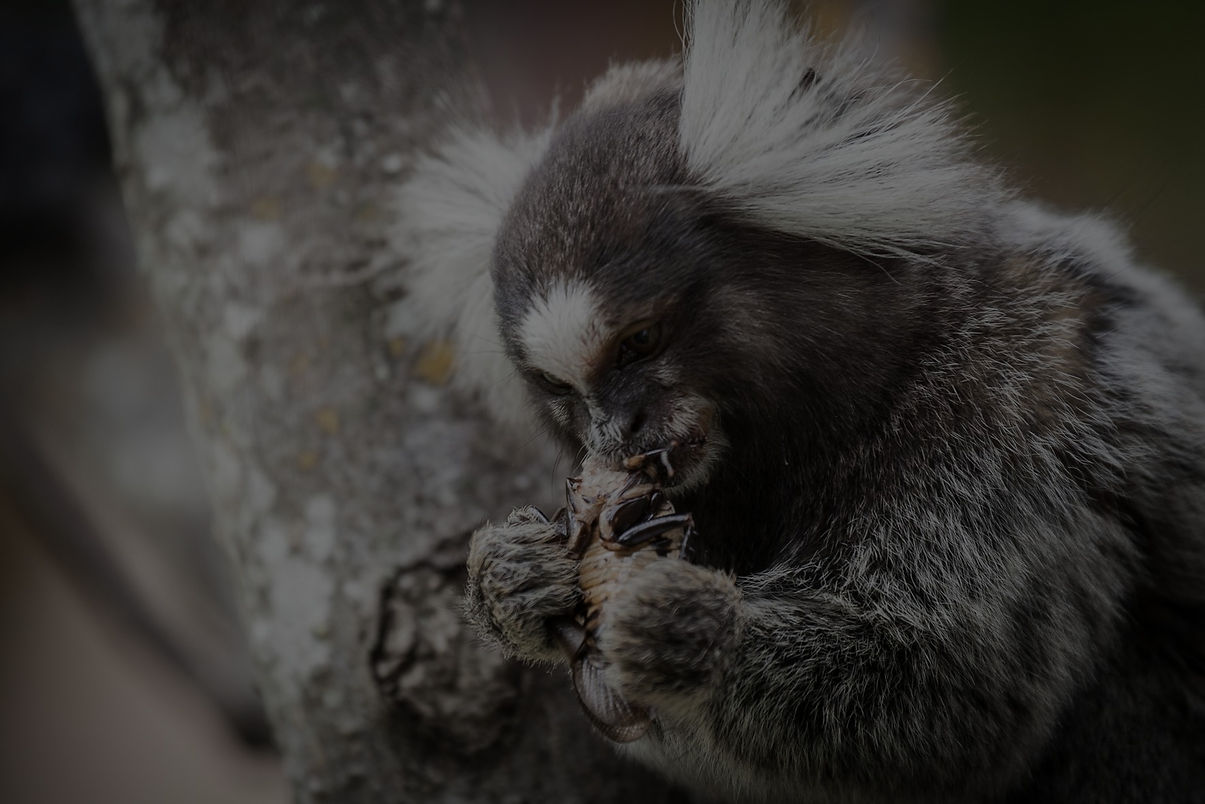
Most states wholly ban keeping monkeys as pets. When monkeys are allowed, people tend to keep Capuchins, Spiders, and Common Marmosets.
-
Monkeys are highly intelligent animals and socially complex. Wild monkeys live in sizable groups supported by a network of bonds between mates, children and their parents, and friends. A monkey owner will typically only keep one monkey, thereby depriving them of the social engagement ingrained in their needs. While there will be some form of social interaction with their owners, the environment is simply not equal.
-
As humans and monkeys are both primates, many find it uncomfortable to keep them as pets. Their intelligence has made keeping them in captivity similar to keeping orcas in theme parks.
-
As it is with most exotic pets, creating a bond is easiest to do with a young monkey. For a monkey to be sold, it must be taken away from its mother and siblings (depending on the species) at a very young age. This creates emotional distress for the both the mother and baby. This is made even more detestable by the fact that many monkeys will stay with their mother for years in the wild.
-
Baby monkeys remind many people of human babies through their mannerisms and looks. However, monkey behavior often becomes volatile when reaching sexual maturity in captivity. This is when the vast majority of incidents involving primates takes place. Furthermore, this is why many states classify monkeys as dangerous animals.
- Most states ban primate ownership for good reason. Besides the points mentioned above, monkeys are far more likely than other animals to transmit diseases to or from humans.